Mon-Thu: 8am - 5pm Fri: 8am - 1:30pm


When tooth decay compromises the strength and structure of a tooth, a composite filling can rebuild its natural shape while restoring function and appearance. Composite fillings are made from advanced, tooth-colored resin materials that blend seamlessly with your smile, offering a strong and aesthetically pleasing solution for cavities.
At the office of Jaime Gutierrez, DDS, we use modern composite materials designed to bond directly to your natural tooth structure. This bonding process not only restores the tooth but also helps reinforce it, providing durable, long-lasting protection with a natural look and feel.
Composite fillings are often referred to as “white” or “tooth-colored” fillings because they are carefully shade-matched to your surrounding teeth. Unlike traditional metal restorations, composites are mercury-free and metal-free, making them a popular choice for patients seeking a more natural restoration.
Because composite material bonds directly to enamel and dentin, less healthy tooth structure typically needs to be removed during preparation. This conservative approach helps preserve more of your natural tooth while providing a secure seal against bacteria and future decay.

If a cavity is detected, we will gently and precisely remove the decayed portion of the tooth. In most cases, treatment is completed in a single visit and performed under local anesthesia to ensure your comfort.
Once the area is prepared, the composite resin is applied in layers. Each layer is carefully shaped and hardened using a special curing light. This step-by-step process allows us to sculpt the material so it closely matches the tooth’s natural contours and bite. After placement, the filling is polished and adjusted to ensure a smooth finish and comfortable fit.
At Jaime Gutierrez, DDS, patient comfort is always a priority. We take time to explain each step of the process and are happy to discuss options such as sedation dentistry for patients who may feel anxious about treatment.
After your appointment, it’s normal to experience temporary numbness from local anesthesia. Be careful not to bite your lips, cheeks, or tongue until sensation fully returns.
Some mild sensitivity to hot or cold foods may occur for a few days as your tooth adjusts. This is typically temporary and should resolve on its own. If sensitivity persists or you experience discomfort when biting, please contact our office so we can evaluate and make any necessary adjustments.
With good oral hygiene and routine dental visits, composite fillings can provide many years of reliable service. Brushing, flossing, and maintaining regular checkups at Jaime Gutierrez, DDS will help protect both your restoration and your overall oral health.

Our goal is to restore your tooth in a way that looks natural, feels comfortable, and supports long-term oral health. If you have any questions about composite fillings or cavity treatment, we’re here to help.
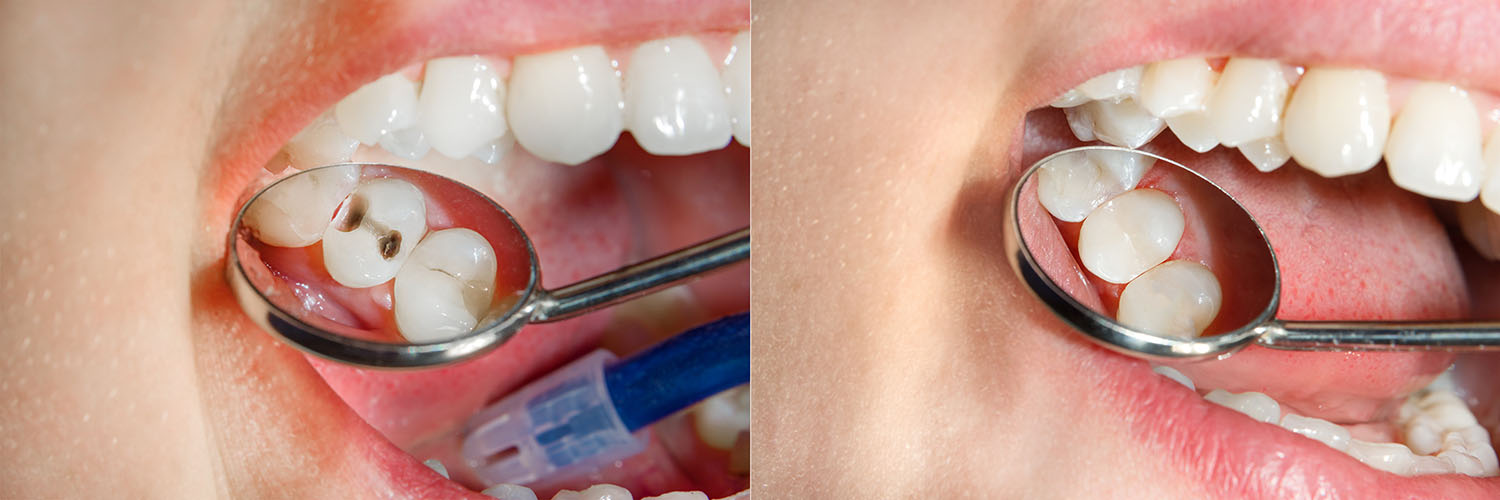


Composite fillings are restorations made from a tooth-colored resin designed to repair teeth affected by decay or minor damage. The material is shade-matched to blend with your natural enamel, allowing the restoration to be both functional and discreet. Composite resins bond to the tooth structure, which helps preserve more healthy enamel and dentin during treatment.
Because composites are versatile, they are commonly used on front and back teeth for a natural appearance and reliable function. The material is cured with a special light that hardens each layer, letting the dentist sculpt the filling to restore proper contours and bite. Composite fillings are a modern, mercury-free alternative to older metal restorations.
Composite fillings offer cosmetic advantages because they can be color-matched to your teeth, making them less noticeable than metal restorations. The bonding process also allows for a more conservative preparation, often requiring removal of less healthy tooth structure compared with amalgam. This conservative approach helps maintain tooth strength and long-term structural integrity.
In addition to appearance and preservation, composites avoid the use of metals, which some patients prefer for biocompatibility reasons. Composites can be used to restore both small and moderate cavities as well as to repair chipped or worn enamel. Your dentist can explain whether composite material is the best choice given the location and size of the cavity.
Placement begins with removing the decayed portion of the tooth and preparing the area to receive the filling, usually under local anesthesia to ensure comfort. The composite resin is applied in thin layers, with each layer shaped and cured using a specialized light to build up the restoration. Once the desired form is achieved, the filling is polished and adjusted to make sure your bite feels natural and comfortable.
At the office of Jaime Gutierrez, DDS, the team takes time to explain each step and to ensure patients understand what to expect during the appointment. Most composite fillings are completed in a single visit, and modern bonding techniques help create a tight seal against bacteria. If you have concerns about sensitivity or bite after placement, the practice will evaluate and make any necessary adjustments.
Most patients experience little to no pain during the procedure because the area is numbed with local anesthesia prior to treatment. Discomfort after the appointment is usually mild and short-lived, often limited to temporary sensitivity to hot or cold foods as the tooth adjusts. Over-the-counter pain relievers and following the post-treatment care instructions generally manage any brief soreness.
If you have significant dental anxiety or anticipate needing deeper work, sedation dentistry is an option to help you feel more relaxed during the procedure. Your dentist can discuss sedation choices, what to expect, and whether they are appropriate for your specific situation. Contact the office if you experience prolonged or worsening pain so the restoration and surrounding tooth can be evaluated.
After a filling, maintain good oral hygiene by brushing twice daily with fluoride toothpaste and flossing once daily to help prevent new decay around the restoration. Avoid chewing unusually hard items and try to keep sticky candies and extreme temperature changes to a minimum for the first few days if you feel sensitivity. Routine dental checkups and professional cleanings will help monitor the filling and overall oral health.
If you notice persistent sensitivity, roughness, or discomfort when biting, call the practice so the filling can be examined and adjusted if necessary. Regular professional exams allow the dentist to detect early signs of wear or marginal breakdown and address them before larger problems develop. Long-term care and preventive visits are key to maximizing the lifespan of any restoration.
The lifespan of a composite filling depends on factors such as the size and location of the restoration, the patient’s oral hygiene habits, and bite forces from chewing. Smaller restorations on low-stress surfaces can last many years, while larger fillings on biting surfaces may need replacement sooner. Regular dental visits allow your dentist to evaluate the integrity of the restoration and recommend maintenance or replacement when appropriate.
Good oral hygiene, a balanced diet, and avoiding habits like chewing ice or using teeth as tools can extend the life of a filling. If wear, staining, or marginal breakdown occurs, a worn composite can often be repaired or replaced before it leads to further tooth damage. Your dentist will provide guidance tailored to the condition of your restoration and overall oral health.
Common signs that a tooth may need a filling include persistent toothache, sensitivity to sweet, hot or cold stimuli, visible pits or holes in the tooth, and dark spots on the enamel. Pain when biting or chewing can also suggest that decay has weakened the tooth structure. Sometimes decay is detected during routine dental exams or on X-rays before symptoms are noticeable.
Early detection allows for more conservative treatment and better long-term outcomes, so prompt evaluation is recommended if you notice any concerning symptoms. The dental team uses clinical exams and imaging to determine the extent of decay and whether a filling, inlay, onlay, or crown is the most appropriate solution. Regular checkups at the Brookfield, CT practice help catch problems early and protect your smile.
For larger or deeper cavities that remove substantial tooth structure, alternatives such as inlays, onlays, or crowns may be recommended to restore strength and function. Inlays and onlays are conservative indirect restorations that fit into or onto the tooth and can be made from porcelain or composite materials. Crowns cover the entire tooth and are used when decay or fracture compromises a large portion of the tooth.
Root canal therapy may be necessary if decay has reached the tooth’s nerve before a crown or other restoration is placed. Your dentist will assess the extent of damage and discuss the pros and cons of each option, aiming to preserve as much natural tooth as possible while restoring function and appearance. Individual treatment planning ensures the chosen restoration fits your long-term oral health goals.
Composite resins used for dental fillings are widely regarded as safe and are formulated to be biocompatible for the majority of patients. True allergic reactions to dental composites are uncommon, but sensitivities to certain dental materials can occur in rare cases. If you have a known history of material sensitivities or allergies, inform your dentist so they can select appropriate materials and perform any necessary testing or precautions.
The office follows best-practice protocols to minimize exposure and ensure safe handling of restorative materials during treatment. If you experience unexplained oral irritation or a reaction after a restoration, contact the practice promptly so the situation can be evaluated. Open communication about medical history and previous reactions helps your dental team choose the safest treatment options.
Yes, sedation dentistry can be an effective option for patients who experience dental anxiety, strong gag reflexes, or difficulty sitting comfortably for treatment. Options range from nitrous oxide (laughing gas) for mild relaxation to oral or intravenous sedation for deeper calming effects, depending on the procedure and patient needs. Your dentist will review your medical history and discuss the appropriate level of sedation for a safe, comfortable experience.
At Jaime Gutierrez, DDS, the team can explain sedation choices and how they are administered so you understand the process and recovery expectations. Sedation can make it easier to complete necessary treatment in fewer visits and with less stress, improving access to care for patients who might otherwise avoid the dentist. Always arrange appropriate transportation and follow post-sedation instructions if moderate or deep sedation is used.

Ready to schedule your next visit or have questions about our dental services?
At Jaime Gutierrez, DDS, our friendly team is here to make getting started simple and stress-free. Whether you need help scheduling an appointment, have questions about treatment options, or want more information about our services, we are always happy to assist you.
You can contact our office by phone or through our convenient online contact form. We look forward to helping you take the next step toward a healthier, more confident smile with personalized care you can trust.

Back to top