Mon-Thu: 8am - 5pm Fri: 8am - 1:30pm


If a dentist recommends a root canal, there’s no reason to panic. Modern root canal treatment is predictable, comfortable, and aimed squarely at ending pain while preserving your natural tooth. When performed correctly, the procedure removes the source of infection or inflammation and allows you to keep a functioning tooth rather than opting for extraction.
At the office of Jaime Gutierrez, DDS, we combine up-to-date techniques with a calm, patient-first approach to make treatment as efficient and gentle as possible. Our focus is on clear explanations, steady hands, and practical solutions that protect your long-term oral health.
Root canal therapy exists to rescue teeth that would otherwise be lost to deep decay, trauma, or severe infection. Keeping a natural tooth helps maintain chewing efficiency, preserves adjacent teeth, and prevents the bone loss that can follow extraction. For many patients, a successful root canal is the most conservative route to restoring comfort and function.
Advances in instrumentation, irrigation, and filling materials have raised the predictability of treatment. While each case is unique, most restored teeth continue to serve well for many years when they receive careful treatment and appropriate follow-up restoration — often a crown — to protect the remaining structure.
Choosing root canal therapy is not just about relieving immediate discomfort; it’s an investment in preserving your mouth’s natural anatomy. Our team prioritizes techniques that minimize discomfort and maximize the long-term success of the treated tooth so you can return to normal activities with confidence.

Inside each tooth lies the dental pulp — a soft core of nerves and blood vessels that keeps the tooth responsive and nourished while it develops. When that tissue is injured or infected, it sends signals in the form of sensitivity and pain. Not every ache means a root canal is needed, but certain patterns are important to notice and evaluate.
Signs that warrant an examination include lingering sensitivity to hot or cold, sharp pain when biting, spontaneous or throbbing toothaches, and visible changes like darkening of a tooth after an injury. Swelling near the tooth or drainage from the gums are clear indications that an infection may be present and requires timely attention.
Because symptoms can vary — and because some teeth show little or no pain despite underlying issues — a careful clinical exam and appropriate X-rays are essential. Detecting problems early improves the chance of a straightforward, successful treatment and reduces the chance of more invasive procedures later.
Although not every toothache points to pulpal disease, the following signs commonly accompany teeth that need root canal therapy:
Sustained pain, especially pain that interferes with sleep or daily activities, often indicates deep decay or infection. If the discomfort lingers despite home care, a dental evaluation is important.
When hot or cold foods and beverages trigger prolonged pain, it can be a sign the pulp is inflamed or compromised. Short-lived sensitivity is common and often harmless, but prolonged reactions merit assessment.
Discomfort when chewing or pressing on a tooth can indicate that the inner tissues are involved or that a crack has communicated with the pulp. This symptom should be evaluated promptly to protect the tooth.
A tooth that darkens after trauma or over time may have lost vitality. Discoloration alone isn’t definitive, but it can be an important clue when combined with other findings.
Cracks and fractures can allow bacteria to reach the pulp. Even if the fracture seems small, it can lead to pulpal inflammation and eventually infection if untreated.
Localized swelling, tenderness, or a small bump on the gum (a sinus tract) are signs the infection is affecting tissues around the tooth. These findings call for prompt care.
When the supporting bone or ligaments are affected by infection, a tooth may feel loose. Treating the source of the infection often allows healing and stabilization when addressed early.

Delaying care when a tooth is injured or infected can allow problems to progress and become more complicated. An infection that begins in one tooth may extend to surrounding bone and soft tissues, making treatment more extensive and recovery longer. Early diagnosis often keeps treatment simpler and recovery quicker.
In many cases, radiographs reveal changes around a tooth before symptoms are severe. Routine exams are therefore an important safety net — they help identify teeth that are at risk even when you don’t feel pain yet. Addressing those risks proactively is part of preserving oral health over the long term.
Our approach emphasizes timely, clear communication about treatment options. When a root canal is recommended, we discuss the reasons, the expected steps, and the next stages of restoration so you can make an informed decision that protects your smile.
A typical non-surgical root canal begins with numbing the area so you remain comfortable. We use modern anesthetics and techniques designed to minimize discomfort. When appropriate, additional calming options are available to help patients who feel anxious about dental care.
Once comfortable, the dentist accesses the inside of the tooth, removes diseased tissue, and thoroughly cleans and shapes the root canals using specialized instruments and irrigation solutions. The canals are then filled with a biocompatible material to seal them and prevent reinfection.
Some teeth can be treated in a single visit, while others — particularly those with complex anatomy or active infection — may require more than one appointment. The final step is to restore the tooth with a durable filling or crown to protect it from fracture and restore full function.
At the office of Jaime Gutierrez, DDS, we aim to make each phase of treatment transparent and comfortable. We’ll explain the proposed timeline, any supportive medications if needed, and the restoration plan that best protects the treated tooth for years to come.
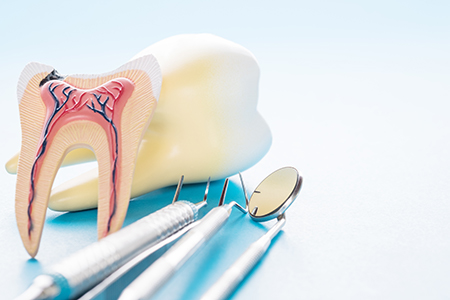
Recovery from a root canal is generally straightforward. After the appointment you may experience some tenderness or mild soreness for a few days while the surrounding tissues heal. Over-the-counter pain relievers usually manage this discomfort effectively; follow any instructions your dentist provides.
It’s important to avoid chewing directly on the treated tooth until it has a final restoration in place. A temporary filling protects the tooth between appointments, but a full crown or appropriate restoration is often needed to restore strength and prevent fracture. Scheduling that follow-up restoration in a timely way helps ensure the long-term success of the procedure.
Continue regular brushing and flossing, and keep routine dental visits so any changes can be monitored. If antibiotics or specific instructions are prescribed, follow them closely and reach out if symptoms worsen or you notice swelling, prolonged pain, or other concerns.
With careful treatment and ongoing preventive care, a tooth that has received root canal therapy can remain healthy and functional for many years — often for the remainder of a patient’s life. If you have questions about root canal treatment or want to discuss options for a particular tooth, please contact us for more information.


Root canal therapy treats the dental pulp, the soft tissue inside a tooth that contains nerves and blood vessels, when it becomes inflamed or infected. The procedure removes diseased tissue, cleans and seals the internal canals, and preserves the natural tooth structure. Choosing treatment often prevents the spread of infection and maintains normal chewing function.
You might need a root canal if decay, a crack, or trauma has reached the pulp and caused persistent pain, swelling, or sensitivity. Some teeth show little pain despite significant internal damage, so a clinical exam and X-rays are important for diagnosis. Early detection generally simplifies treatment and improves the likelihood of a successful outcome.
Root canal therapy removes infected or damaged pulp tissue and thoroughly cleans the internal canal system to eliminate bacteria and debris. After cleaning, the canals are filled with a biocompatible material and sealed to reduce the risk of reinfection. By eliminating the source of infection while retaining the tooth root, the procedure preserves the tooth’s role in biting and speaking.
Once the canals are sealed, a final restoration such as a crown is often recommended to protect the remaining tooth structure from fracture. Preserving the natural tooth helps maintain proper alignment and reduces the likelihood of bone loss that can follow extraction. Overall, the treatment is a conservative option for maintaining oral health and function.
The procedure typically begins with local anesthesia to keep you comfortable, followed by isolation of the tooth with a rubber dam to maintain a clean working field. The dentist creates an opening in the crown to access the pulp chamber, then uses specialized files and irrigation solutions to clean and shape the canals. The canals are dried, filled with a biocompatible material, and sealed to prevent reinfection.
Some teeth can be treated in a single visit, while others with complex anatomy or active infection may require multiple appointments and interim medication. A temporary filling protects the tooth between visits until a permanent restoration is placed. Final restoration restores strength and function and reduces the risk of fracture after treatment.
With modern anesthetics and techniques, root canal treatment is designed to be comfortable and is performed to relieve the pain caused by infection or inflammation. Many patients report that the procedure itself is no more uncomfortable than having a routine filling, and that pain often subsides once the source of infection is removed. Dentists also offer measures to help anxious patients feel more relaxed during care.
It is common to experience mild tenderness or soreness for a few days after the procedure as surrounding tissues heal, and over-the-counter pain relievers usually manage this effectively. If stronger pain or swelling occurs, contacting your dental team promptly allows timely assessment and care. Following post-treatment instructions and attending follow-up appointments helps ensure a smooth recovery.
After treatment, avoid chewing on the treated tooth until a permanent restoration is in place to prevent fracture of the remaining tooth structure. Maintain good oral hygiene with regular brushing and flossing, and follow any medication guidelines provided by your dentist. Keep scheduled follow-up visits so the dentist can monitor healing and proceed with the final restoration when appropriate.
Once the tooth has a full restoration, continue routine dental checkups and cleanings to detect any changes early. If you notice increased pain, swelling, or a return of symptoms, contact your dental office for evaluation. Timely restoration and consistent preventive care are key to the long-term success of the treated tooth.
A properly treated and restored tooth can last for many years and often for the remainder of a patient’s life, provided it receives appropriate care. Success depends on factors such as the quality of the root canal filling, the type of final restoration, oral hygiene, and the tooth’s position and function in the mouth. Teeth that are well-restored and regularly maintained tend to have the best long-term outcomes.
Certain conditions, including new decay, cracks, or complex root anatomy, can shorten the lifespan of a treated tooth and may require retreatment or other interventions. Regular dental exams and timely maintenance of crowns or restorations help detect and address problems before they threaten the tooth. Keeping consistent preventive care is an effective way to preserve the results of root canal therapy.
The primary alternative to root canal therapy is extraction of the affected tooth, which removes the source of infection but also eliminates the natural tooth root. Following extraction, options to replace the missing tooth include implants, bridges, or removable prostheses, each of which has different clinical implications for adjacent teeth and jawbone support. Retaining a natural tooth when feasible is often the most conservative choice for maintaining oral health and function.
In limited cases, procedures such as vital pulp therapy or close monitoring may be appropriate for immature teeth or early-stage injuries, but these options depend on the extent of pulp involvement and tooth development. A thorough clinical exam and diagnostic imaging help determine whether conservative alternatives are viable. Discussing risks and benefits with your dentist helps identify the most suitable plan for your specific situation.
You should seek urgent dental evaluation for severe or rapidly worsening pain, noticeable facial swelling, fever, or difficulty breathing or swallowing, as these can indicate a spreading infection that requires prompt attention. Persistent throbbing pain, a noticeable lump on the gum, or drainage from the area around a tooth also warrant immediate assessment. Early care reduces the risk of complications and may allow for simpler, more effective treatment.
If you experience any signs of systemic involvement such as fever or general illness alongside dental symptoms, contact your dental office or seek emergency medical attention without delay. Your dental team can advise on appropriate next steps, including same-day evaluation and treatment to address the source of infection. Timely communication about symptoms helps ensure safe and effective care.
Although root canal therapy has a high success rate, failure can occur due to factors such as untreated canal branches, new decay, fracture of the tooth, or persistent infection. If symptoms return or radiographic changes suggest ongoing infection, the tooth should be re-evaluated to determine the cause. Diagnosis may include clinical testing and updated imaging to guide the next steps.
Retreatment involves removing the existing canal filling, re-cleaning and disinfecting the canals, and placing a new seal, which can resolve many persistent infections. In some cases, surgical procedures such as an apicoectomy are recommended to address infection at the root tip, while extraction and replacement may be considered when retreatment is not feasible. A careful assessment with your dentist identifies the most appropriate option based on the tooth’s condition.
The office of Jaime Gutierrez, DDS emphasizes a patient-first approach that combines modern techniques, clear communication, and a calm treatment environment. Care includes thorough diagnostics, careful canal cleaning and sealing, and coordination of the final restoration to protect the treated tooth. The team aims to explain each step so patients understand the reasons for treatment and the expected outcomes.
Treatment plans are personalized to each patient’s needs, taking into account tooth anatomy, overall oral health, and comfort preferences. The practice uses up-to-date instrumentation and diagnostic tools to support predictable results, and encourages routine preventive care to protect treated teeth over the long term. If you have questions about root canal therapy or need an evaluation, the team can provide a clear explanation of your options and next steps.

Ready to schedule your next visit or have questions about our dental services?
At Jaime Gutierrez, DDS, our friendly team is here to make getting started simple and stress-free. Whether you need help scheduling an appointment, have questions about treatment options, or want more information about our services, we are always happy to assist you.
You can contact our office by phone or through our convenient online contact form. We look forward to helping you take the next step toward a healthier, more confident smile with personalized care you can trust.

Back to top